Equine Cups and Blades
By Sozo Equine®
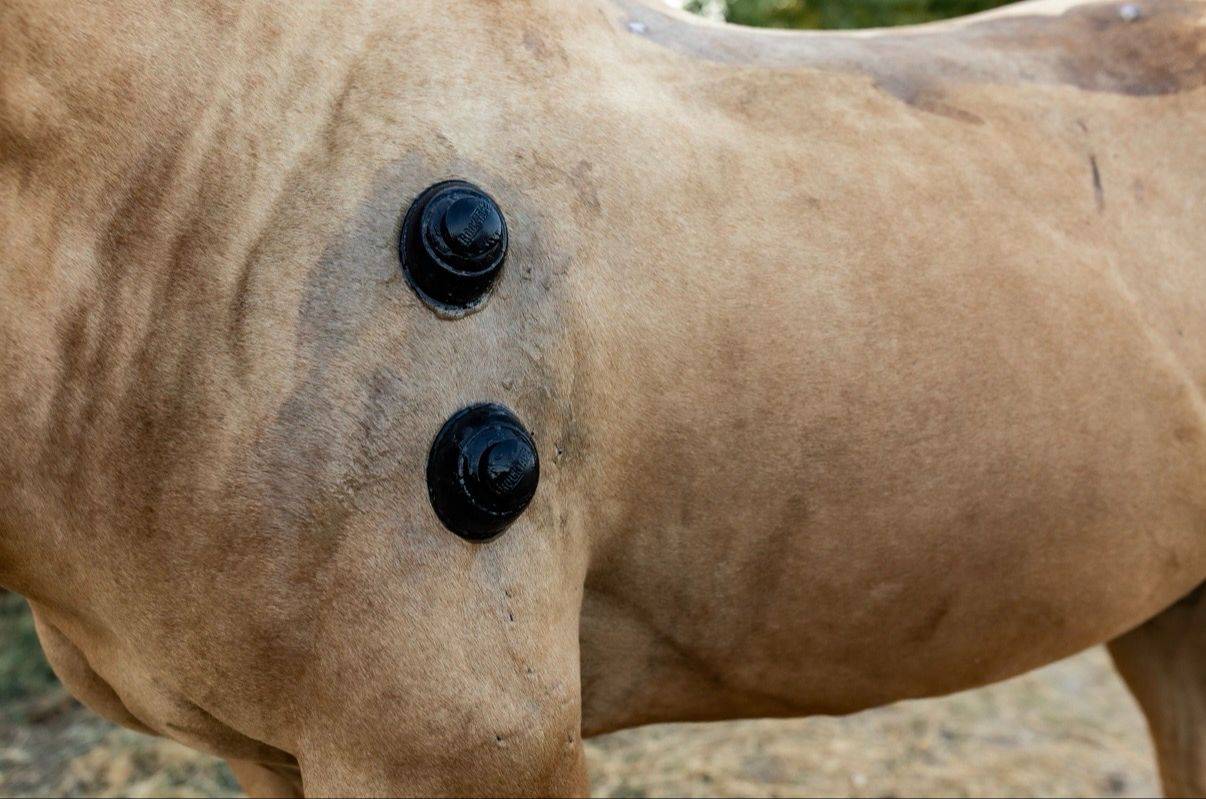
Cupping is one of the only modalities to lift the tissue, rather than press on it, increasing space between layers of soft tissue.
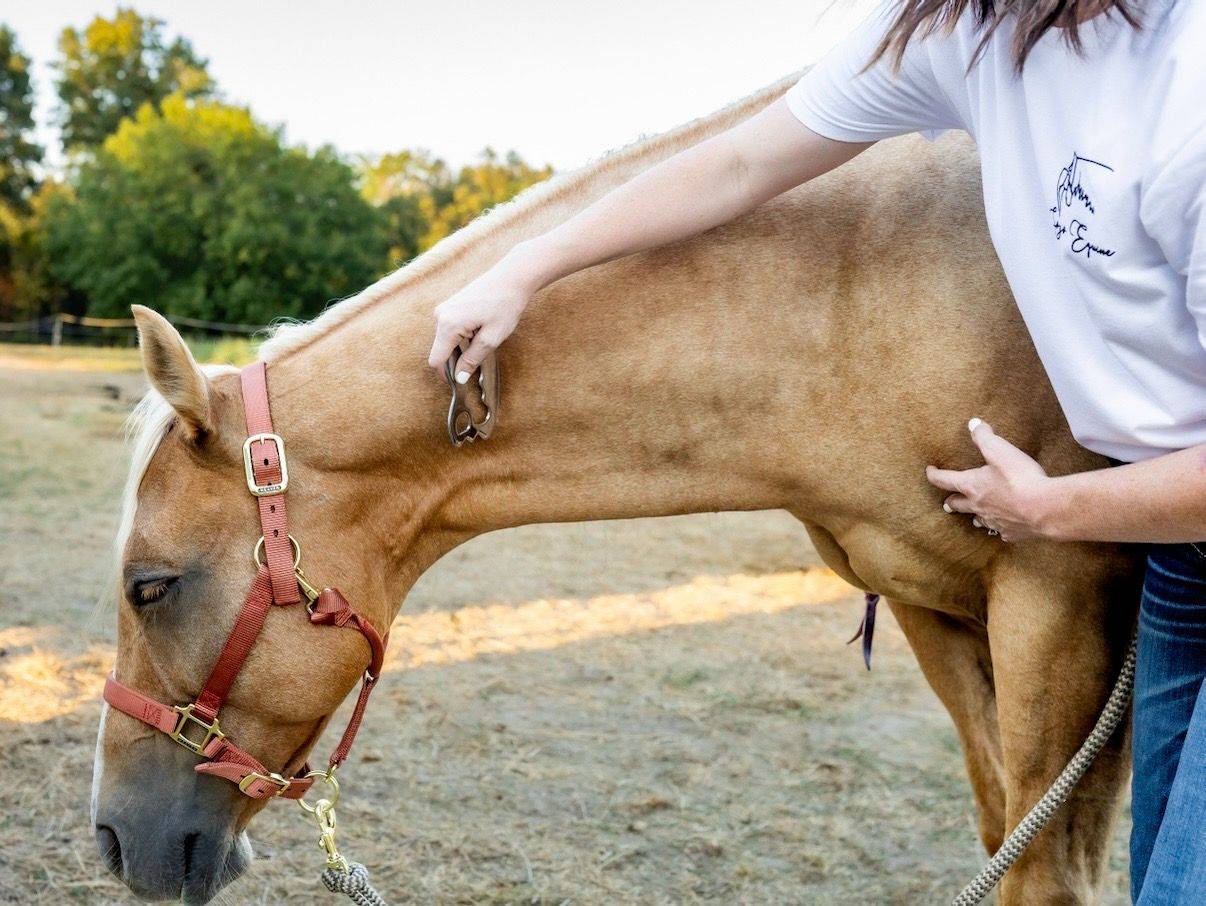
Blading provides a highly localized stimulation to the soft tissue and magnified feedback for your hands to increase the sensitivity of what you are feeling.
Learning Objectives
- Understand equine anatomical structures relevant to soft tissue modalities
Students will be able to identify and describe key components of the equine skeletal system, major muscle groups, lymphatic pathways, and fascial lines, and explain how these anatomical systems influence movement, circulation, and tissue health when applying cupping and instrument-assisted soft tissue techniques.
- Explain the properties of fascia and the principles of biotensegrity
Students will develop an understanding of fascial structure, elasticity, and connectivity, as well as the concept of biotensegrity, and explain how these principles influence equine biomechanics, compensation patterns, and soft tissue treatment strategies.
- Perform functional assessments to determine treatment areas
Students will learn to evaluate posture, movement patterns, tissue texture, and areas of restriction or compensation in order to determine where and when cupping and blading techniques are appropriate.
- Understand neuromodulation and nervous system effects of cupping and blading
Students will explain the theoretical mechanisms through which cupping and instrument-assisted soft tissue techniques influence the nervous system, including neuromodulation, sensory input, proprioception, and pain modulation.
- Describe the physiological effects of negative pressure and tissue decompression
Students will understand the significance of negative pressure created by cupping, including tissue decompression, fluid movement, circulation enhancement, and potential biochemical changes within soft tissues.
- Demonstrate knowledge of equipment and application techniques
Students will be able to identify the equipment and supplies required for equine cupping and blading, and demonstrate the proper use of:
- Three different cupping application methods
- Three blading (IASTM) stroke techniques
while maintaining safe and effective treatment protocols.
- Apply practical treatment techniques to key equine body regions
Students will learn and demonstrate over 40 practical applications using cupping and blading techniques for the following regions:
- Head and neck
- Thoracic sling
- Forelimb
- Back
- Hindlimb
Students will understand what conditions or movement restrictions may benefit from each application.
- Implement safe and effective treatment protocols in practice
Students will learn how to perform complete treatment sessions using cups and blades, including identifying appropriate cases, treatment goals, contraindications, and timing of treatment. Students will also learn how to utilize a printable field manual as a reference for real-world application.

Cups and Blades
-
Welcome!
3 lessons- Welcome! Start Here
- Terms and Conditions of Use
- Terms of Use & Copyright Agreement (Course is Locked Until Completed)
-
Anatomy
2 lessons- Skeleton Anatomy
- Superficial Muscle Anatomy
-
Introduction to Fascia
2 lessons- Properties and Roles of Fascia
- Fascial Lines
-
Introduction to Cupping
7 lessons- About Cupping
- How To Cup
- Gel For Cups
- How To Apply Cups
- How To Use The Cups
- Set Up
- Cupping Manual
-
Cupping - Head and Neck
5 lessons- TMJ
- Masseter
- Poll
- Lower Neck
- Upper Neck
-
Cupping - Forelimb and Thoracic Sling
6 lessons- Traps
- Triceps
- Pecs
- Lats
- Forearm
- Fetlock
-
Cupping - Back
2 lessons- Longissimus Dorsi
- Low Back
-
Cupping - Hind Limb
9 lessons- Medial Glutes
- TFL
- Biceps Femoris
- Semitendinosis
- Semimembranosis
- Gracilis
- Gaskin
- Stifle
- Hock
-
Introduction to Blading
7 lessons- About Blading
- How To Use Blades
- Fascia Tools
- Assessment/Body Scan
- Feathering
- Deep Rapid Strokes
- Long Slow Strokes
-
Blading - Head and Neck
3 lessons- TMJ and Masseter
- Poll
- Neck
-
Blading - Forelimb/Thoracic Sling
5 lessons- Shoulder
- Pecs
- Forearm (Digital Extensors)
- Traps
- Serratus
-
Blading - Spine
2 lessons- Back
- Low Back
-
Blading - Hind Limb
6 lessons- Medial Glutes
- Biceps Femoris
- TFL/Quads
- Hamstrings
- Stifle
- Hock
-
Application for Certification of Achievement
1 lesson- Submission Requirements
Meet The Instructor
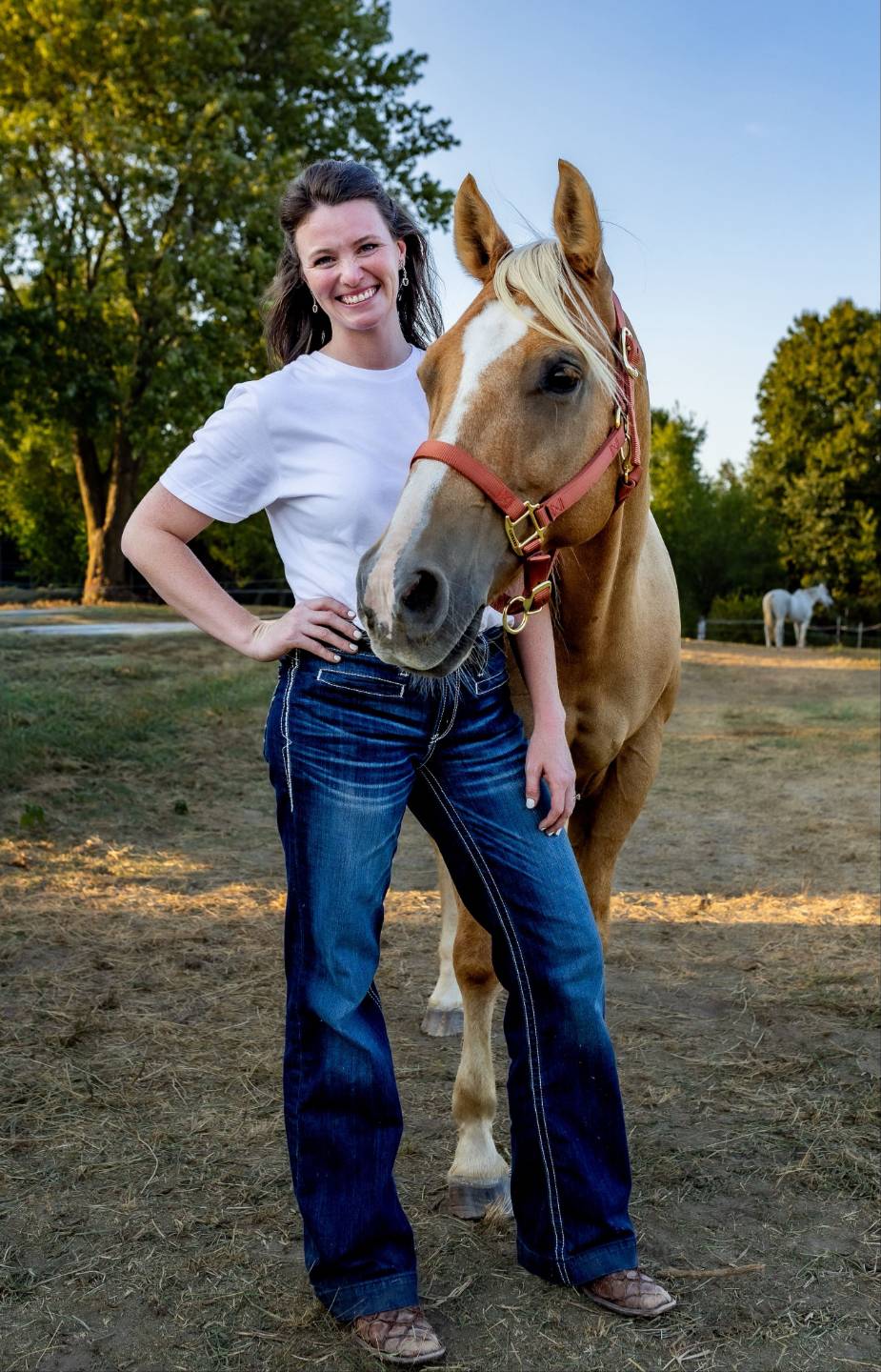
Ciara Crawford
OTR/L · Owner & Founder, Sozo Equine LLC
Hi! I'm a registered and licensed Occupational Therapist specializing in outpatient orthopedics and upper extremities — and I've spent years bringing that clinical foundation into the equine world.
My passion is educating and empowering people of all backgrounds to join my pursuit of a world where horses can move without pain. That means teaching you not just what to do, but why — so you can apply these skills confidently with every horse you work with.
- Registered & Licensed Occupational Therapist (OTR/L)
- Certified Equine Massage Therapist
- Certified Myofascial Release Practitioner
- Certified Craniosacral Therapist
- Equine Anatomist and Dissection Instructor