Sozo Equine · 2-Day Live Workshop
In-Person Myofasical Release & Nervous System Course
You've released the fascia. Mobilized the joint. Addressed the trigger points. But the issue keeps coming back.
Join me for a 2-day hands-on workshop in equine myofascial release and the peripheral nervous system — the system most equine practitioners were never taught to assess.
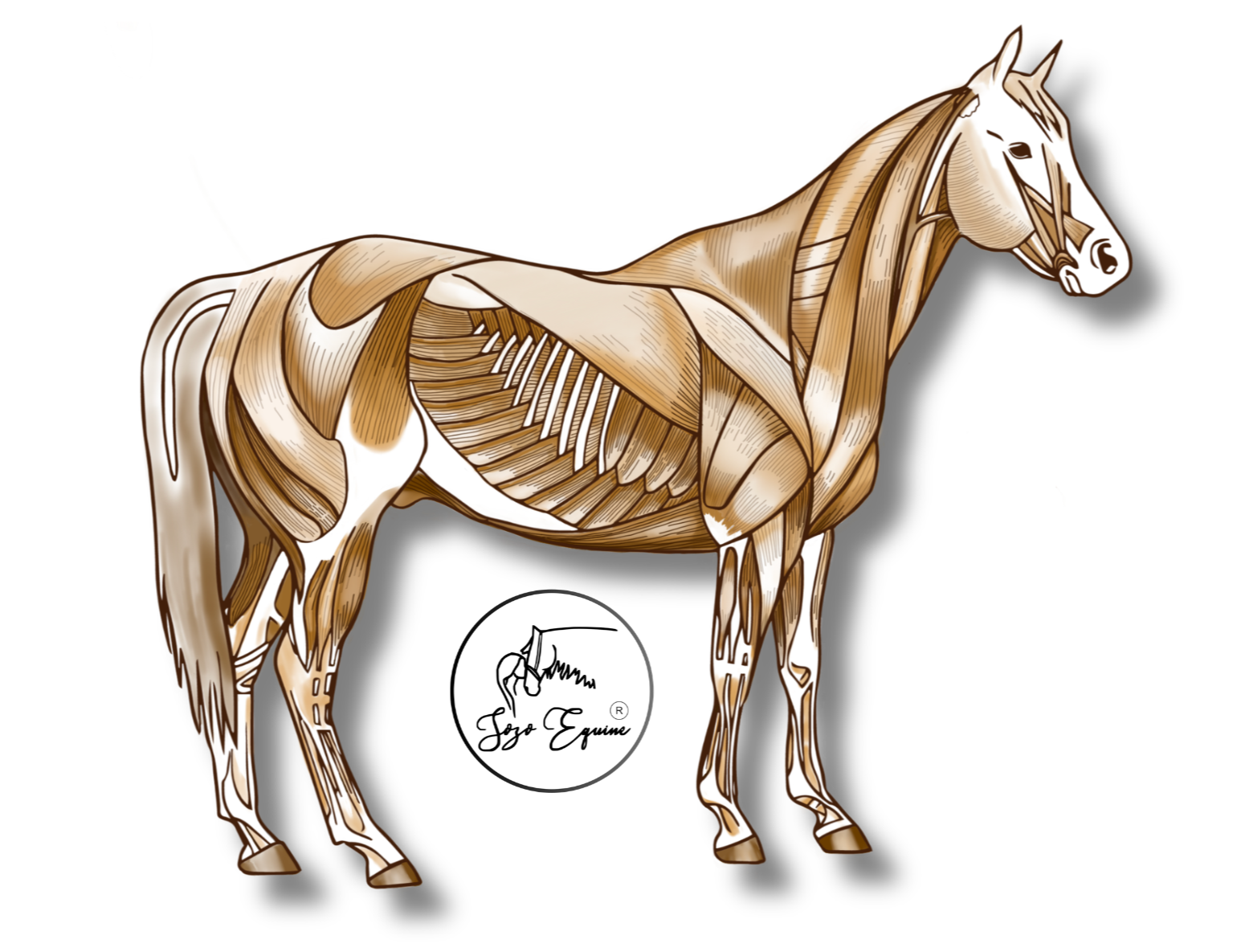
Horse landing toe first. Heel pain. Navicular syndrome.
The new shoes aren't fixing it. The injections work — until they don't.
A horse in a constant battle with stringhalt. That hind leg snapping up. Trembling when they try to back. Watching it get worse and not knowing why.
Have you assessed the ulnar nerve? The femoral nerve?
You released the fascia. You mobilized the joint. You worked the trigger points. But the problem keeps coming back. What if the issue isn't the muscle at all?
The peripheral nervous system plays a direct role in how muscles fire, how joints stabilize, how a horse moves through its body — and how it compensates when something is wrong.
- Abnormal hind-limb movement and irregular, jerky gait
- Toe dragging, shortened stride, difficulty holding a correct lead
- Weakness, instability, or muscle tremors
- Hoof imbalance, heel pain, unexplained lameness
- Patterns that respond to treatment — then come right back
Yet most equine practitioners were never taught to assess the peripheral nervous system. That means an entire system affecting performance, comfort, and movement is being overlooked — every single time.
Stop Chasing Symptoms.
Start Treating the System.
When a horse keeps presenting with the same dysfunction, most practitioners keep treating the surrounding tissues without ever looking at the nerve. The ulnar and median nerve. The femoral nerve. The brachial plexus. These aren't obscure anatomy — they're active drivers of the movement problems you see every day.
This two-day workshop gives you the clinical framework and hands-on skills to finally assess what you've been missing.
Learn the system that's often missing from equine education.
This hands-on workshop is for...
Rehab Practitioners
Chiropractors
Trainers
Veterinarians
Equine Bodyworkers
Hoof Care Professionals
Horse Owners
Curriculum Overview
Two Days. Two Complete Systems.
Day 1
Equine Myofascial Release
- Principles of myofascial release and the structure of fascia in the equine body
- How MFR differs from other manual therapies in application, principles, and goals
- MFR's role in collagen remodeling, tissue hydration, and fiber organization
- Neurologic mechanisms including autonomic nervous system effects, proprioception, and pain modulation
- Identifying dysfunctional fascial patterns and postural compensation
- 35 specific equine MFR holds with correct hand placement, pressure, and duration
- Morning: Assessment, head & neck
- Afternoon: Forelimb, thoracic sling, torso, hind limb
Day 2
The Equine Nervous System
- Anatomy of the equine nervous system — neuron structure, spinal cord, peripheral and cranial nerves
- Afferent vs. efferent fibers, upper vs. lower motor neuron dysfunction
- Nerve impingement and spinal cord compression — clinical signs in the horse
- Pain cycle physiology and strategies to interrupt it
- Major nerve plexuses: cervical, brachial, lumbar, sacral, coccygeal, cranial
- Dysfunction patterns for individual nerves and their compensatory presentations
- Structured neurological assessment incorporating palpation and biomechanical analysis
- Targeted treatment: nerve glides, vibration therapy, balance pads, taping, cupping, blading
What each day looks like...
(Please note: this varies by location.)
Day 1:
Dinner & Meet & Greet
Evening
Arrive, connect with other attendees, and meet your instructor over dinner.
Day 2:
Myofascial Release
Morning
Principles of myofascial release, assessment, types of holds, and treatment of head & neck.
Afternoon
Treatment of forelimb & thoracic sling, torso, and hind limb.
Day 3:
The Equine Nervous System
Morning
Introduction to the nervous system and cervical plexus.
Afternoon
Brachial plexus, lumbar plexus, sacral plexus, and cranial nerves.
Curriculum Overview
What You'll Be Able to Do
After two days with Ciara, you'll leave with clinical skills you can apply immediately — not just theory.
Myofascial Release
- Define MFR and explain the structure and function of fascia in the equine body
- Differentiate MFR from other manual therapies by principles, application, and therapeutic goals
- Explain how fascial engagement influences collagen production, hydration, and fiber organization
- Describe neurologic mechanisms of MFR including autonomic nervous system effects, proprioception, and pain modulation
- Identify and assess common patterns of fascial dysfunction and postural compensation
- Demonstrate 35 equine MFR holds with correct hand placement, pressure, and duration
Equine Nervous System
- Describe anatomy and structural organization of the equine nervous system
- Differentiate foundational neurological concepts: afferent vs. efferent, upper vs. lower motor neuron
- Define nerve impingement and spinal cord compression and identify clinical indicators in horses
- Explain the physiology of the pain cycle and apply strategies to interrupt it
- Identify and categorize major nerve plexuses and the primary nerves that arise from each
- Recognize dysfunction patterns for individual nerves and their compensatory presentations
- Perform structured neurological assessment using palpation and biomechanical analysis
- Implement targeted treatment plans: nerve glides, taping, cupping, vibration, and blading
What's Included:
2 Days of Live Hands-On Teaching
Work directly with horses under Ciara's expert guidance
Immediate + Lifetime Online Access
All 10 hours of online course videos — available the moment you enroll
200+ Page Reference Manual
A comprehensive manual to take home and reference in practice
Clinical Skills You Can Use Monday
Practical assessment and treatment tools — not just theory
Meet Your Instructor
Ciara Crawford
OTR/L · Owner & Founder, Sozo Equine LLC
Hi! I'm a registered and licensed Occupational Therapist specializing in outpatient orthopedics and upper extremities — and I've spent years bringing that clinical foundation into the equine world.
My passion is educating and empowering people of all backgrounds to join my pursuit of a world where horses can move without pain. That means teaching you not just what to do, but why — so you can apply these skills confidently with every horse you work with.
- Registered & Licensed Occupational Therapist (OTR/L)
- Certified Equine Massage Therapist
- Certified Myofascial Release Practitioner
- Certified Craniosacral Therapist
- Certified Equine Kinesiology
- Certified Taping Practitioner
- Certified Equine Taping Instructor
Choose Your Location & Enroll!
See 2026 and 2027 locations below.
2-Day Live Workshop
Louisburg, NC
October 14–16, 2026
One-time payment
- Dinner, meet & greet on October 14
- 2 days of live, hands-on instruction
- Immediate + lifetime access to 10 hours of online videos
- 200+ page reference manual
- Real hands-on horse time throughout both days
- Instruction from a licensed OT and certified equine specialist